Roof Repairs Succasunna NJ: Quick Fixes That Make a Big Difference
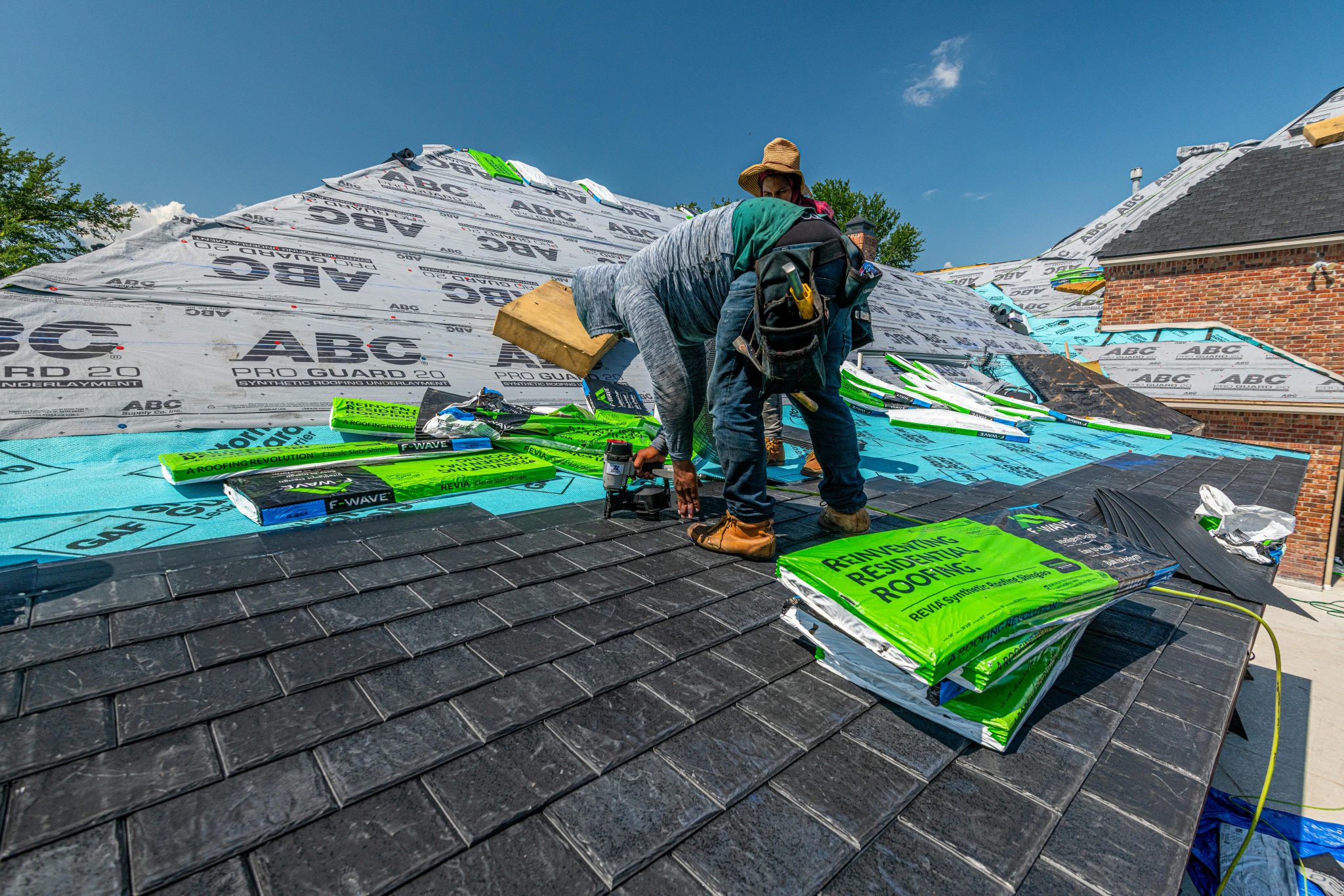
A roof rarely fails all at once. Most of the expensive problems I see start small, then sit unnoticed through a few storms, a freeze-thaw cycle, or one stretch of humid summer weather. By the time a homeowner spots a stain on the ceiling or finds shingle granules in the gutter, the actual damage has often spread beyond the original trouble spot.
That is exactly why prompt, targeted roof repairs matter in a place like Succasunna. North Jersey roofs take a beating. Winter snow loads, spring rain, summer heat, and falling branches during windy weather all test the weak points. A loose shingle, cracked pipe boot, lifted flashing edge, or clogged valley may sound minor, but each can create an entry point for water. Water never needs much room. If it finds one, it works fast.
When homeowners search for Roof Repairs Succasunna NJ, they are often hoping the problem is still manageable. Many times, it is. Quick fixes, done correctly and at the right moment, can add years to a roof and prevent far more expensive interior repairs. The key is knowing which issues deserve immediate attention, which ones can wait a short while, and which ones are signs that patching alone is no longer the smart move.
Small roof issues rarely stay small
A lot of roof damage begins in the transition points, not in the middle of the field shingles. Chimneys, plumbing vents, skylights, roof-to-wall intersections, and valleys are the places where materials meet, flex, and age at different rates. Shingles may still look acceptable from the driveway while flashing has already loosened or sealant has dried out near one of those details.
I have seen a single lifted tab after a windy night lead to wet underlayment, then soft decking, then attic moisture, then a stained bedroom ceiling. The repair was modest in the first week. Three months later, it involved sheathing replacement, insulation removal, drywall patching, paint, and a much larger bill than anyone expected.
Succasunna homes also deal with mature trees in many neighborhoods. Shade can be helpful in summer, but it often means slower drying after rain. That creates better conditions for moss, algae streaking, and moisture retention along the north-facing roof slope. Add clogged gutters to that equation, and runoff starts backing up under the roof edge where it should have drained cleanly away.
That is why timing matters. A repair made early is not just cheaper, it is usually cleaner. The original roofing system is still intact enough to work with. Matching materials is easier, the repair area is contained, and the chances of hidden structural decay are much lower.
The quick fixes that deliver the biggest payoff
Not every roof issue requires a major intervention. Some of the highest-value Roof Repairs are straightforward, as long as the diagnosis is accurate and the workmanship is solid.
Replacing a handful of damaged shingles
This is one of the most common repairs after wind or storm activity. Asphalt shingles can crack, curl, lose granules, or tear partially free. If the surrounding roof is still in decent condition, replacing the damaged pieces can stop water intrusion before it starts.
The catch is that a shingle repair needs more care than it appears to from the ground. Nails have to be placed correctly, the surrounding tabs need to be lifted without causing collateral damage, and the replacement shingles have to integrate with the existing course pattern. On older roofs, brittle shingles can crack during handling, so an experienced installer works slowly and knows when a “simple shingle swap” could turn into a larger section repair.
Resealing or replacing vent boots
A plumbing vent boot is a small part of the roof, but it is responsible for a surprising number of leaks. The rubber collar around the pipe dries out, splits, or pulls away over time. In colder climates, expansion and contraction speed up the wear. Once that seal fails, water has a direct route down around the pipe penetration.
This repair is often quick, cost-effective, and highly worthwhile. If caught early, replacing the boot or properly resealing the flashing can prevent damage to the decking and attic around the opening. It is not glamorous work, but it solves a very real problem.
Refastening or repairing flashing
Step flashing along sidewalls, chimney flashing, and counterflashing details are all essential to a watertight roof. Flashing problems may show up as rust, separation, visible gaps, or water stains that appear during wind-driven rain rather than every storm. That pattern matters. A leak that only shows up when rain hits from a specific direction often points to flashing rather than field shingles.
Quick attention here pays off. A section of loose flashing can often be reset, secured, and sealed before water gets deeper into the assembly. If the flashing metal is badly corroded or was installed incorrectly from the start, replacement is usually the better call.
Clearing drainage trouble spots
Sometimes the “roof leak” is really a drainage failure. Debris collects in valleys, behind chimneys, or at the gutter line. Water pools where it should be moving. In winter, that same area may become the starting point for ice dams. Clearing the blockage and correcting the local drainage pattern can solve the issue before any material replacement is needed.
This is one of those fixes that sounds too simple to matter, but it often does. Roof systems are built around shedding water quickly. Anything that slows that process increases risk.
What a roof leak really looks like from inside the house
Homeowners often expect a leak to announce itself dramatically, with dripping water and a spreading ceiling stain. Sometimes it does. More often, the signs are subtler.
You might notice paint bubbling near a wall-ceiling joint. You may find a faint brown ring in an upstairs closet. On cold mornings, there could be a damp smell in the attic or around recessed lights. I have walked into homes where the “roof problem” https://kylerhcka202.nexorafield.com/posts/how-roof-repairs-succasunna-nj-improve-energy-efficiency was first noticed because a bathroom fan housing had rusted or because insulation near the eaves felt compressed and wet.
The challenge is that water travels. The stain you see may be several feet away from the actual roof entry point. That is why good roof repairs begin with tracing the leak path, not just patching the first suspicious spot. A hasty surface fix can miss the source entirely, especially around valleys or flashing details.
In Succasunna, snow can complicate that detective work. A tiny entry point may stay quiet during ordinary rain but leak when snow sits on the roof and melts slowly over several days. That longer exposure reveals weaknesses that a quick summer storm never would.
Why local weather changes the repair strategy
Roofing advice that makes sense in a dry, warm climate does not always translate well to Morris County conditions. Succasunna roofs have to perform through freeze-thaw cycles, periods of high humidity, occasional heavy snow, and storms that bring both rain and wind. Repair methods should account for that.
Sealants, for example, are useful in the right context but should never be treated as a miracle answer. Some sealants degrade quickly when exposed to UV light or temperature swings. If the underlying flashing is loose, bent, or installed poorly, smearing more roof cement around it only delays the inevitable. It may stop the leak for a season, then fail just when weather turns rough again.
Material compatibility matters too. A repair on architectural asphalt shingles calls for different handling than one on an older three-tab roof. Low-slope sections, porch roofs, and additions often have different coverings than the main house. A one-size-fits-all approach is how temporary patches become recurring service calls.
This is where experience helps. A technician familiar with Roof Repairs Succasunna NJ will know which local patterns tend to cause trouble. Ice backup along north-facing eaves, wind damage on exposed ridge lines, branch impact near wooded lots, and flashing fatigue around older masonry chimneys are all common enough to plan for.
The cost difference between acting now and waiting
Most homeowners do not ignore roof issues because they do not care. They wait because they hope the problem is minor, or because they are trying to time a repair around other household expenses. That is understandable. The problem is that roofs are unforgiving when water gets involved.
A small repair may involve replacing a few shingles and securing flashing. Wait long enough, and that same area may require new decking, underlayment, fascia repair, insulation replacement, and interior finish work. In some cases, trapped moisture can even lead to mold growth in concealed cavities. That shifts the job from simple roofing work to a more expensive remediation process.
There is also the matter of labor efficiency. Isolated repairs are more straightforward when the surrounding materials are still dry and sound. Once wood softens or delaminates, the crew has to open more area to find solid attachment points and verify the full extent of damage. The repair expands because the roof demands it, not because anyone wants to upsell the job.
One homeowner I spoke with after a late-winter leak had postponed service because the stain looked inactive for weeks. When warm rain finally arrived, the moisture that had been sitting quietly in the roof assembly moved fast. The eventual repair included a section of rotted sheathing near a vent stack and ceiling repair in a guest bedroom. The frustrating part was that the original issue was likely a straightforward vent boot failure.
When a “quick fix” is the right answer, and when it is not
Quick fixes are valuable, but only when they fit the condition of the roof. A good repair extends service life. A bad one simply masks decline.
If a roof is relatively young, structurally sound, and damaged in a limited area, repair is often the practical option. Storm damage, isolated flashing failure, and a localized leak around a penetration are common examples. The goal is to restore the roof’s water-shedding ability without disturbing more material than necessary.
If the roof is near the end of its lifespan, leaking in multiple areas, or showing widespread shingle loss, granular wear, sagging, or soft decking, repeated patching becomes hard to justify. At that point, every repair buys less time than the one before it. Homeowners end up spending money reactively while still living with uncertainty every time the forecast turns ugly.
The honest middle ground is sometimes a stabilization repair. That means addressing the active leak or vulnerable area now, then planning for broader work on a realistic timeline. That approach can make sense if a full replacement is likely within a year or two but immediate protection is still needed.
Signs a roof repair should move to the top of your list
Not every roofing blemish is urgent, but some symptoms deserve prompt attention. These are the ones I would not let linger:
- Water stains that are growing, darkening, or reappearing after storms
- Missing, creased, or visibly lifted shingles
- Damp attic insulation, musty attic air, or visible daylight at roof penetrations
- Debris-filled valleys or gutters overflowing at the roof edge
- Flashing that is rusted, detached, or pulling away from masonry or siding
Each of those conditions points to a roof system that may already be taking on water or is one storm away from doing so.
The attic tells the truth
If I want to understand a roof quickly, I do not start with the curb view. I start in the attic. The attic reveals what the roof has been doing when no one is watching.
Darkened wood around a vent pipe, nail tips with rust, compressed insulation, mildew odor, and water tracks along rafters all tell a story. Sometimes the story is a straightforward roof leak. Other times, it is poor ventilation causing condensation that mimics a leak. That distinction matters because the remedy is completely different.
I have seen homeowners patch the same roof section twice because they were convinced rainwater was getting in, when the real issue was warm interior air reaching a cold attic and condensing on the underside of the roof deck. The staining pattern looked similar from the ceiling below, but the fix required air sealing and ventilation improvement, not more shingle work.
This is another reason that careful inspection matters more than guesswork. Efficient Roof Repairs depend on identifying the mechanism of failure, not just the location of the symptom.
Chimneys, skylights, and roof edges deserve extra respect
Some parts of a roof produce a disproportionate share of callbacks. Chimneys are high on that list. Masonry expands and contracts differently than roofing materials. Mortar joints age, counterflashing can loosen, and crickets behind wider chimneys are sometimes absent or undersized. Water collects there, especially during heavy rain or melting snow.
Skylights are another common trouble spot, not always because the skylight itself is defective, but because the surrounding flashing kit was installed poorly or because the adjacent shingles have aged unevenly. Homeowners often assume the glass unit is the issue when the real culprit sits at the perimeter.
Roof edges also deserve attention, particularly where gutters back up or drip edge was omitted or installed incorrectly. Water that curls under the edge can affect fascia boards, soffits, and the lower course of decking. It may present as a siding or trim problem before anyone realizes the roof edge is to blame.
These areas reward precision. Quick fixes here can be excellent, but only if they correct the detail, not just the visible damage.
What homeowners can do between inspection and repair
There are situations where a professional repair cannot happen the same day. Weather, material availability, or scheduling may create a short delay. In that window, a homeowner can still reduce risk without making things worse.
- Move stored items away from the suspected leak area in the attic or upper room
- Place a container under active drips and protect flooring or furniture below
- Photograph stains, wet spots, or exterior damage for comparison after repairs
- Clear obvious gutter blockages from ground level if it can be done safely
- Avoid climbing onto the roof or applying store-bought patch products without guidance
That last point matters more than many people realize. Amateur patching can trap water, damage shingles, or make professional diagnosis harder. A tarp installed improperly can also create new points of entry. Roof safety is not optional, especially on wet, steep, or cold surfaces.
Repair quality comes down to details you may never see
The best roof repair often looks uneventful from the ground. There is no dramatic transformation, just a roof doing its job quietly again. What determines whether that repair lasts is usually hidden in the details.
Was the damaged underlayment assessed, or were new shingles laid over a compromised base? Were nails placed where the manufacturer intends, or too high where they are more likely to fail? Was flashing woven correctly with the shingle courses? Were sealants used as a supplement to proper detailing, not as a substitute for it?
Good crews pay attention to those things because they know a roof is a system. A visible defect may be small, but the repair has to reconnect all the layers that make the assembly watertight. Sloppy work can look acceptable on day one and fail under the first serious weather event.
For homeowners in Succasunna, that is the standard worth insisting on. Roof repairs should not simply buy a few weeks of peace of mind. They should restore confidence through the next round of rain, snow, and wind.
Why proactive attention beats reactive panic
Most people never think much about their roof until water shows up inside. That is normal. But roofs reward a little attention. A visual check after storms, routine gutter cleaning, and prompt response to early warning signs can prevent the kind of damage that disrupts daily life and strains a household budget.
The phrase Roof Repairs Succasunna NJ often brings people to the search bar after a problem becomes obvious. The better time to act is usually one step earlier, when the signs are just beginning. A lifted shingle, a suspect vent boot, a rusty flashing joint, or a damp attic corner may not look urgent in isolation. On a roof, though, that is often how expensive trouble starts.
Quick fixes make a big difference because roofs are built on margins. A small failure opens the door, and a smart repair closes it before weather takes advantage. That is the value of addressing the issue while it is still localized, still accessible, and still truly repairable.
For homeowners weighing whether to wait another season, the practical answer is simple. If the roof is telling you something, listen while the message is cheap.
Royalty Exteriors
Address: 151 NJ-10 Ste 103A, Succasunna, NJ 07876
Phone number: +19733337234
FAQ About Roof Repairs Succasunna NJ
How much should I pay for roof repairs?
Most homeowners pay an average of $900 to $1,200 for roof repairs, with typical projects ranging from $150 to $3,000+ depending on the severity of the damage.
What are the most common roof repairs?
The most common roof repair is fixing water leaks by replacing damaged, cracked, or missing asphalt shingles and sealing compromised flashing.
Does homeowners insurance pay for roof repairs?
Homeowners insurance pays for roof repairs only if the damage is sudden and accidental, such as from a storm, hail, or a falling tree.